Menopause Body Odor: Why It Changes and What Helps

Key takeaways
- Body odor is not on the NHS list of menopause symptoms, but hot flashes and night sweats can change how you smell.
- Fresh sweat has very little smell. Odor forms when skin bacteria break it down.
- In a large US study, frequent hot flashes and night sweats lasted a median of 7.4 years, so a routine you can keep up matters.
- Washing sweat-prone areas daily, breathable fabrics and fresh bedding make the biggest difference.
- A new fishy smell, or sweating that disrupts daily life, is worth raising with a doctor.
Many women notice that their body smells different around menopause. Sometimes it is stronger after a night sweat. Sometimes it is a new, heavier note on pajamas and pillowcases. If that sounds familiar, you are in good company, and there is a clear explanation for most of it.
Is body odor a symptom of menopause?
The NHS lists hot flushes, night sweats, and dry and itchy skin among the symptoms of menopause. Body odor itself is not on the list. What the list does describe is more sweat, more often, at times when you cannot simply shower it away. That is where most of the change in smell comes from.
Hot flashes, night sweats and your internal thermostat
Your body keeps its core temperature inside a narrow comfortable band, sometimes called the thermoneutral zone. Research by Robert Freedman describes how this band narrows during menopause, partly because of falling estrogen. With less room to spare, a small rise in core temperature can set off a hot flash: a wave of heat and flushing, often with profuse sweating as the body works to cool down.
These episodes can continue for years. In the Study of Women's Health Across the Nation (SWAN), which followed women through the menopause transition, frequent hot flashes and night sweats lasted a median of 7.4 years in total, and a median of 4.5 years after the final period. The researchers advised that women be told symptoms may last more than seven years.
Did you know?
Fresh sweat has very little smell. The odor only forms once skin bacteria start to break it down, which is why washing sweat away soon makes such a difference.
Why more sweat can mean more odor
A review by James and colleagues explains that the odor we notice comes from skin bacteria, especially Corynebacterium species in the underarm, which turn odorless secretions into strong-smelling compounds. More sweat gives those bacteria more to work with, and sweat that dries into clothing and sheets gives them more time.
Night sweats add one more factor: you sleep in damp fabric for hours. By morning, sleepwear and bedding can hold on to odor even after you have showered.

What does menopause body odor smell like?
There is no single "menopause smell". Most people describe one of two things, or both:
- A sharper sweat odor, from more frequent sweating and the bacteria that break it down.
- A heavier, oily note on pillowcases, collars and the back of the neck. Researchers have linked this kind of odor with 2-nonenal, a compound with a greasy, grassy smell that a Shiseido team found only in people aged 40 and over. Read more in What Is 2-Nonenal?
That second note is part of how skin oils change with age for men and women alike. We cover it in Why Body Odor Changes After 40.
Body odor around menopause is not a sign that your hygiene has slipped. It reflects changes in temperature control and sweating.
What helps
Wash the areas that sweat most, every day
Even on days you skip a full shower, a quick wash of the underarms, groin, under the breasts, the chest and the back of the neck removes sweat before bacteria get to it. Our shower routine for skin after 40 walks through it step by step.

Dry thoroughly
Bacteria thrive on damp skin. Pat dry under the breasts, in the groin and between the toes, and give your skin a minute before you dress.
Choose breathable fabrics
In a study by Callewaert and colleagues, polyester shirts worn during a spinning class smelled significantly less pleasant and more intense than cotton ones, and different bacteria grew on them. Cotton, linen and other breathable fabrics for sleepwear and everyday tops are an easy switch. For washing tips, see How to Keep Lingering Odor Out of Clothes and Bedding.
Set up your bed for night sweats
The Sleep Foundation suggests washing sheets once a week. If night sweats are frequent, change pillowcases and sleepwear more often, keep a spare set of pajamas by the bed, and choose light layers you can kick off. A cool bedroom gives a narrowed comfort zone more room.
Try this tonight
- Put on a fresh cotton pillowcase and keep a spare set of pajamas by the bed.
- Choose light layers you can kick off, and keep the bedroom cool.
- In the morning, wash your underarms, chest and the back of your neck before you dress.
Keep your cleanser gentle
Menopause can also bring drier, itchier skin, so washing more often calls for a gentle, moisturizing cleanser. Use warm water and keep showers to five to ten minutes, as the American Academy of Dermatology recommends, then moisturize while your skin is still slightly damp.
Talk to your doctor about hot flashes
If hot flashes and night sweats are frequent or disrupt your sleep, your doctor can talk you through the options for menopausal symptoms. Fewer night sweats can also mean less odor in the morning.
When to see a doctor
- A new fishy smell in sweat, breath or urine. A rare condition called trimethylaminuria causes this, and it is worth checking.
- Heavy sweating that soaks clothing or gets in the way of daily life. The American Academy of Dermatology calls this hyperhidrosis, and dermatologists can help.
- A sudden change in smell together with other symptoms that worry you.
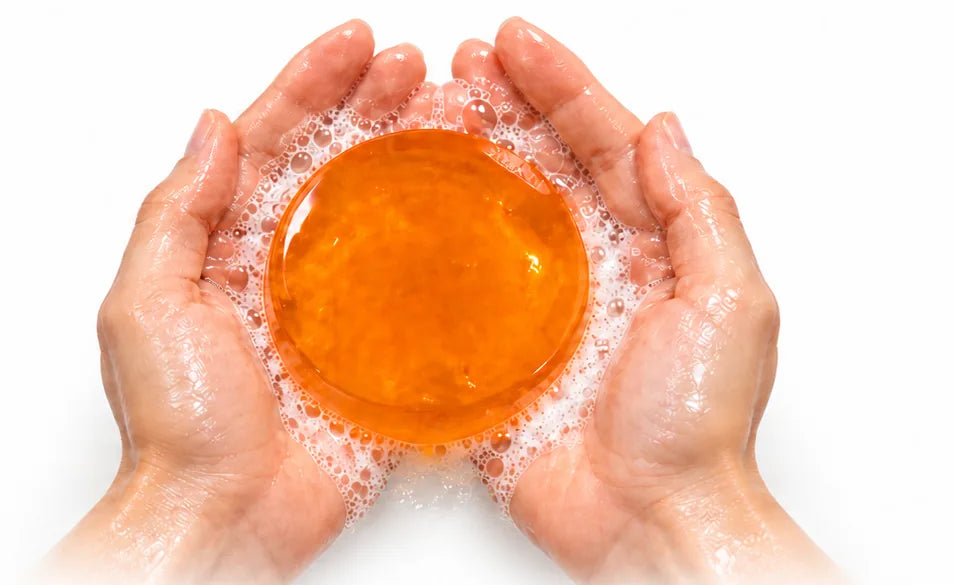
No soap is clinically proven to stop menopause body odor, including ours. The Persimmon Body Bar is a cosmetic soap made to wash sweat and skin oils away, with persimmon extract, green tea, glycerin and shea butter. It comes with a 60-day money-back guarantee so you can judge it for yourself.
Frequently asked questions
Can menopause change how you smell?
It can. Body odor is not an official menopause symptom, but hot flashes and night sweats mean more sweat, and skin bacteria turn sweat into odor. Changes in skin oils with age can add a heavier note.
Why is it worse at night?
Night sweats leave you lying in damp sleepwear and bedding for hours, which gives bacteria time to work. Breathable fabrics, a cool bedroom and frequent pillowcase changes help.
How long does menopause body odor last?
It tends to follow hot flashes and night sweats. In the SWAN study, these lasted a median of 7.4 years in total, though everyone is different.
Does it mean my hygiene has slipped?
No. It reflects changes in temperature control and sweating. A few small adjustments to your routine can help.
Sources
- Avis NE, et al. Duration of menopausal vasomotor symptoms over the menopause transition. JAMA Internal Medicine. 2015;175(4):531-539.
- Freedman RR. Menopausal hot flashes: mechanisms, endocrinology, treatment. Journal of Steroid Biochemistry and Molecular Biology. 2014;142:115-120.
- James AG, et al. Microbiological and biochemical origins of human axillary odour. FEMS Microbiology Ecology. 2013;83(3):527-540.
- Haze S, et al. 2-Nonenal newly found in human body odor tends to increase with aging. Journal of Investigative Dermatology. 2001;116(4):520-524.
- Callewaert C, et al. Microbial odor profile of polyester and cotton clothes after a fitness session. Applied and Environmental Microbiology. 2014;80(21):6611-6619.
- NHS. Symptoms of menopause.
- Sleep Foundation. How often should you wash your sheets?
- American Academy of Dermatology. Dermatologists' top tips for relieving dry skin.
- American Academy of Dermatology. Hyperhidrosis: overview.
- MedlinePlus Genetics. Trimethylaminuria.